
What is Cortisol?
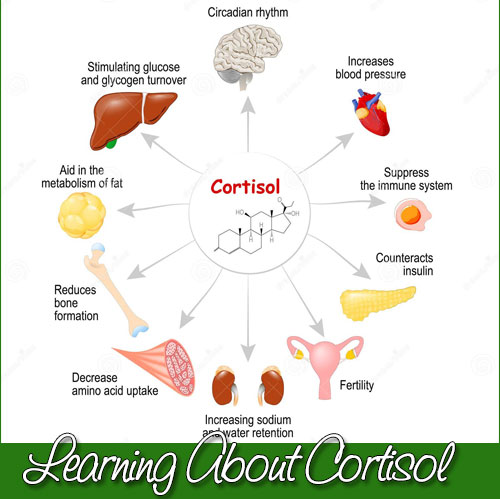
I find myself bombarded everywhere about this one word and even as Karen G Clemenson came home and asked me about it, I knew we needed to be learning about cortisol. Cortisol is a hormone that helps control our mood, motivation, and fear. Cortisol does this by helping our body regulate how our body uses glucose (sugar), manages inflammation, regulates blood pressure, and controls our sleep-wake cycle or circadian rhythm. Our hypothalamus and pituitary gland, both located in our brain, controls our cortisol production by releasing other hormones. In order to have healthy cortisol production our hypothalamus, pituitary gland and adrenal glands must all be working correctly.
Cortisol regulates many functions and affects almost all organ systems in our body. Cortisol manages how our body uses carbohydrates, fats and proteins. When we experience stress, our bodies release adrenaline and cortisol to keep us on alert. When cortisol is released, this triggers the release of glucose from our liver so we have energy and a burst of higher immunity. Cortisol also tells our pancreas to decrease insulin and increase glucagon in order to regulate blood sugar. In a body with normal short spurts of stress, cortisol can limit inflammation. However if our body becomes used to regular high levels of stress so that it becomes used to a traumatic life, we can have chronic inflammation and a weakened immune system.
People with high levels of cortisol can have high blood pressure. They can also suffer with anxiety, depression, headaches, and heart disease. People with lower than normal levels of cortisol can have low blood pressure.
Symptoms of High Cortisol Levels
Symptoms of high cortisol levels, or people who may may have Cushing syndrome, which is caused by a mass in your adrenal gland or a tumor in your pituitary gland can include:
- Easy bruising
- Excessive hair growth in females
- Fatty deposit at the base of the neck between shoulder blades
- High blood pressure
- High blood sugar, which often turns into Type 2 diabetes
- Muscle weakness in your upper arms and thighs
- Purple streaks on the breasts, hips, stomach and under the arms
- Thin arms and legs
- Weak bones (osteoporosis) and bone breaks
- Weight gain, especially in face and belly
What Causes High Cortisol?
It is normal to have times of stress in our lives. Cortisol levels will usually return to normal after times of stress are over. Sometimes cortisol levels can remain high and you might require help from a professional if you continuously suffer with the following:
- Chronic physical, mental or psychological stress
- Cushing’s syndrome
- Long-term steroid use
- Sleep deprivation and abnormal sleep patterns
- Tumors or growths on the adrenal glands or pituitary glands
Low Cortisol
Too little cortisol can be caused by several factors including:
- Autoimmune disorders
- Congenital adrenal hyperplasia, which is a group of inherited disorders that decrease adrenal gland function
- Hypoglycemia
- Infections like tuberculosis and HIV can impact the adrenal glands
- Primary adrenal insufficiency, referred to as Addison’s disease, happens when your immune system attacks your adrenal glands
- Secondary adrenal insufficiency or hypopituitarism, takes place when you have a tumor on your pituitary gland or an underactive pituitary gland
- Suddenly stopping steroid, otherwise called, corticosteroid medications, after taking them for a long time
- Traumatic brain injury can challenge pituitary gland, which regulates the adrenals
Symptoms of Low Cortisol Levels:
- Abdominal pain
- Diarrhea, nausea, and vomiting
- Fatigue
- Hyperpigmentation, or dark patches of skin
- Hypoglycemia, low blood sugar
- Muscle weakness that grows worse
- Loss of appetite
- Low blood pressure, hypotension
- Unintentional weight loss
What You Can Do to Reduce High Cortisol Levels:
Although some medical conditions require medical treatment there are ways you can change your lifestyle to help your body naturally lower your cortisol levels:
- Avoid stress
- Build and maintain healthy relationships
- Create a healthy sleep schedule
- Eat a nutrient rich diet
- Enjoy yourself and laugh
- Guided Imagery
- Journaling
- Listening to music
- Meditation
- Move your body daily
- Practice deep breathing exercises
- Reframe negative thoughts
- Restrict social media use
- Self-hypnosis
- Sex
- Yoga
Social media has been connected to stress because it has been found that social media impacts our neuroendocrine system, which tends to be associated with the part of our brain that handles our bad habits or things we misuse or overuse. In a study it showed that 20 minutes of social media use generated a higher cortisol level for depressed adolescents, than nondepressed adolescents. Those likes actually produce dopamine hits; another hormone that makes us feel good.
What is Normal?
Taking a cortisol test can tell your medical team if your cortisol levels are correct or if they need to be managed. Normal cortisol levels range from 5-25 micrograms per deciliter (mcg/dL) around 8 am. Cortisol levels change throughout the day, the morning being the highest level, and the evening being the lowest level. The test can require blood (taken by a medical professional), urine or saliva which can be done at home. Samples will be taken at different times during a 24 hour period.
What is normal is hard to define for many reason, some reasons being, are even how we respond to stressors. Some of us are just better able to handle stress than others. While some of us, secrete more cortisol than others, in the same situation. For people with chronic stress, they might need to incorporate many tools into their daily life to manage their cortisol levels.
When to Contact A Medical Professional
Please seek medical attention if you are experiencing the following:
- Abdominal pain
- Dizziness or lightheadedness
- High or Low blood pressure
- Reduced consciousness
- Severe depression and thoughts of ending your life
- Trouble breathing
Part of wellness is prevention. Seeing a medical professional is part of a healthy lifestyle. Please make sure to see your doctor annually to make sure your numbers are going in the right direction.
If you are needing help creating a Wellness Plan that works for you, please Contact Wellness Works NW at 360-447-8061. Karen G Clemenson is a very caring and authentic person and she is looking forward to talking with you and helping you define your Wellness Goals and strategies. I hope this article answered questions you had and was easy to understand. If you would like us to write about a particular topic that you can’t find on this site, please send us an email on our Dear Jamie page and someone from Our Team will be glad to research and write about your topic.
Read More:
- Cortisol by Cleveland Clinic Staff for my.clevelandclinic.org; last reviewed on 1/12/2025
- How the ‘Stress Hormone’ Cortisol Affects You by Elizabeth Scott, PhD and medically reviewed by Steven Gans, MD for Very Well Mind, last updated on April 7, 2025
- What Is Cortisol? by WebMD Editorial Contributors & Medically Reviewed by Traci C. Johnson, MD on December 13, 2022
- What Social Media Does to Stress and Hormones by Phil Reed D.Phil and reviewed by Tyler Woods for Psychology Today, February 28,2025
- What You Need To Know About Stress Hormone Cortisol by Kainat Jahangir and medically reviewed by Danielle Weiss, MD for Health.com, last updated September 13, 2023
~
Related Articles
- Learning About PTSD (Post Traumatic Stress Disorder)
- Fat Cells 300: Washing Fat Cells
- It’s Okay To Ask For Help
- How Do You Identify?
- Relaxation
I hope this article helps Fuel Your Wellness. Please leave your comments below.
 Summer D Clemenson is a co-owner Clemenson Enterprises, LLC and Wellness Works NW. Summer her wife, Karen G Clemenson’s personal motto is Creativity, Honesty & Positivity are a must! This mantra helps them stay community and wellness minded in all they do. Summer is an Independent Wellness Advocate at dōTERRA. Summer also writes poetry and inspirational blogs @ GoodTimesAlways.com.
~